
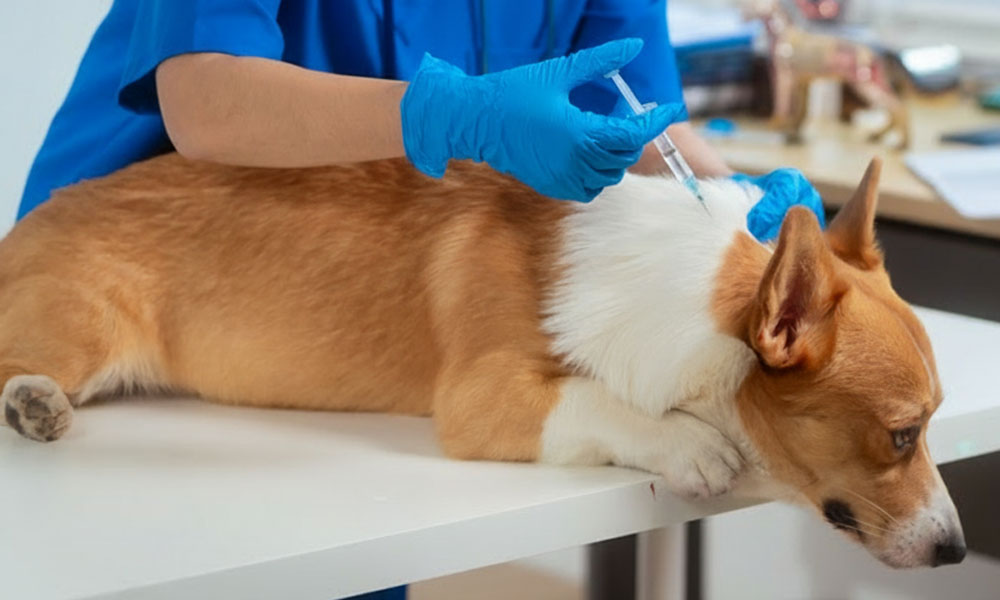
WHAT IS RABIES?
Rabies is a serious viral illness that is zoonotic. That means it can pass from one animal species to another, and to humans as well. Common carriers of rabies in the wild include bats, raccoons, foxes, coyotes, and skunks. But really, any wild animal could become infected and pass the virus along. The rabies virus is passed from a sick animal via contact with saliva, tears, spinal fluid, or nerve tissue of an infected animal. Most often, this happens when an infected animal scratches or bites you or your pet, breaking the skin and introducing the virus. It can also happen if an infected animal or material comes into direct contact with mucous membranes in the eyes, nose, or mouth.
Once rabies symptoms appear, there is no cure for the disease. The virus attacks the brain and nervous system and is fatal to pets and humans. However, if you receive treatment immediately after exposure, it is almost 100% effective. So if you have been in close contact with, scratched, or bitten by an unvaccinated pet or wild animal, it is crucial to see your doctor immediately! Rabies is treated by the Post-Exposure Prophylaxis (PEP) protocol. This arduous treatment plan includes flushing the wound and a series of antibody shots around the wound, followed by a series of vaccines over 14 days to keep the virus from reaching the brain of the victim.
SYMPTOMS
After infection with Rabies, if left untreated, the virus travels slowly through the nervous system to the spinal cord and finally the brain. During this incubation period, the person or pet will feel perfectly fine. However, once the virus reaches the brain, it causes aggressive neurological symptoms including paralysis, hallucinations, and hydrophobia. At this point, treatment is limited to end-of-life comfort care. This is why it is extremely important to protect your pet and your family from this disease.
PREVENTION
Since rabies is so scary, it is good to know that you can take easy precautions to prevent infections. These include:
- Avoid Wildlife:
Sometimes, we are tempted to get near, interact with, or try to feed cute wild animals. DON'T DO IT! It is not good for them, and it is not safe for you, your pets, or your family. - Secure Your Home:
Repair holes that could allow animals into your home. Cap your chimney and make sure any attic, roof, and dryer vents have sturdy screens or covers. This will reduce the chance of a rabid animal gaining access to your home. - VACCINATE YOUR PETS!!!!
North Carolina law G.S. 130A-185 (PDF) requires that all owned dogs, cats, and ferrets must be vaccinated against rabies by four months of age and keep the animal's rabies vaccination status up-to-date throughout the animal's entire lifetime. This means getting their first booster one year after their initial vaccine, and every third year thereafter.
This is the law, regardless of whether your pet lives inside or outside of your house. There is good reason for this. We all know that indoor pets can dart out an open door and escape where they could encounter wildlife or other pets. There is also a small chance of bats or other infected animals gaining access to your home and exposing your pets.
Once your pet is vaccinated, they are required to wear rabies tags on their collars at all times. Additionally, keep the paperwork proving that they are current on their rabies vaccine in a safe, easy-to-access location. If your pet bites or scratches another pet or a person, you must provide them with proof of a current rabies vaccine. Even with proof of vaccine, your pet will be required to quarantine for 10 days to watch for signs of rabies. With paperwork, they may be able to do this at home. Without paperwork, they will likely be removed and taken to a facility for observation, at your expense. Additionally, they may be subject to stricter enforcement measures, including brain testing or even euthanasia.
CONCLUSION
As you can see, rabies is a very serious disease that can easily be prevented. If your pet is not up to date on their rabies vaccine, call us immediately to schedule their next appointment!
If you have any questions about this topic, please contact our office.
336-644-1522